How do clippers get paid, and why do brands pay for clips?
Many clippers earn a set rate per 1,000 verified views, paid from a capped campaign budget. How the money moves, why brands pay and what nobody can tell you.
The short version
- What’s happening: Clippers cut short excerpts from long videos, post them on their own accounts and are often paid per 1,000 verified views from a campaign budget.
- Why now: NPR covered the trade in May 2026, and in April Instagram announced it would widen a rule limiting recommendations for accounts that mostly share others’ content.
- Should you care: We found no independent figure for what a typical clipper earns, so a quoted rate can’t tell you what you’d take home.
Many clippers get paid a set rate per 1,000 verified views, drawn from a budget put up by a brand, creator or agency. On marketplaces such as Content Rewards, a clip has to be approved first and pay stops at a cap. One September 2026 snapshot of 50 campaigns put the median rate at $1.
That rate is only the first link in a chain of conditions, and this piece follows the money through it. It isn’t a recommendation to start, and no income is promised.
What clippers do, and who they work for
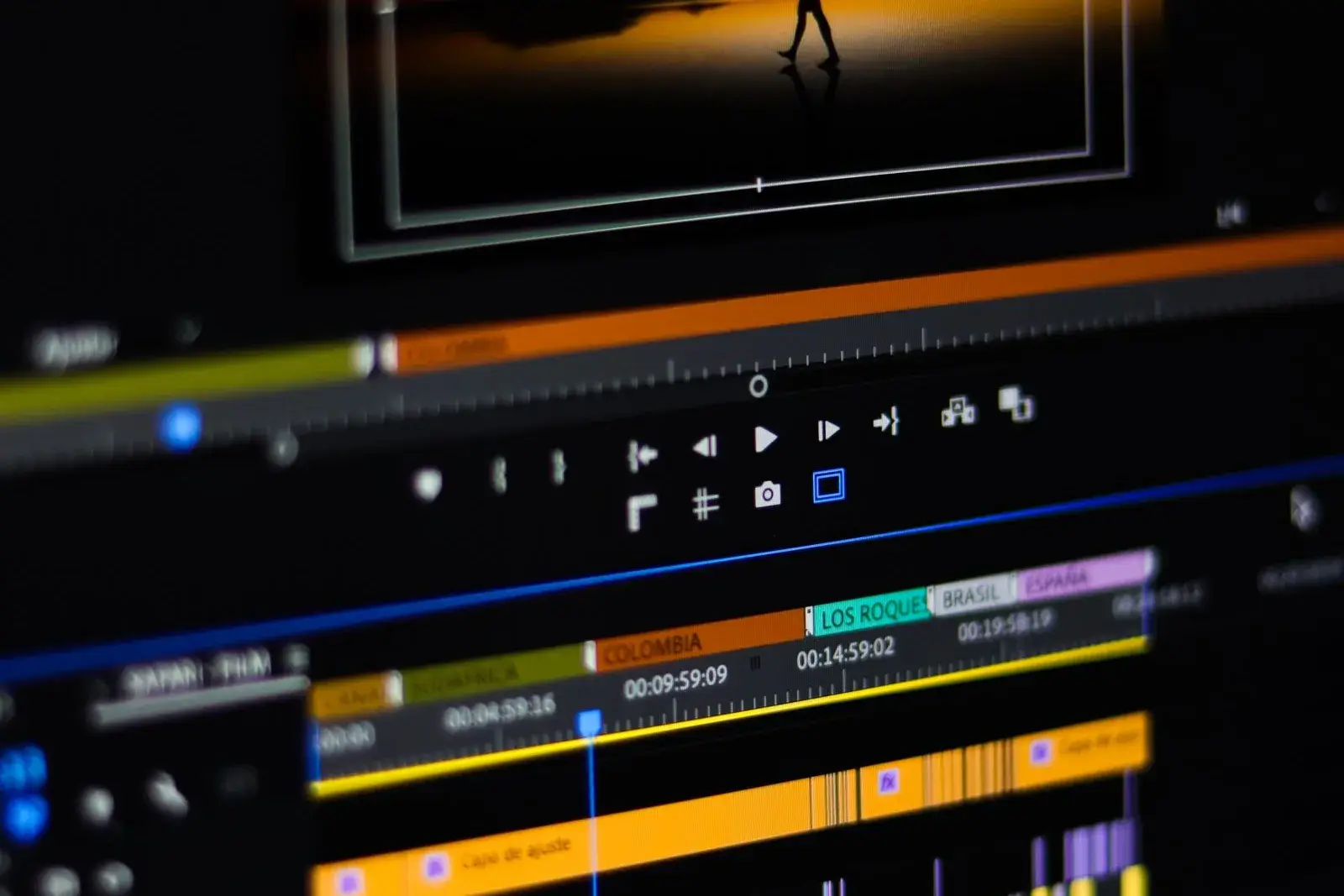
A clipper cuts a short excerpt from a long video, such as a podcast or an interview, and posts it on their own social accounts. NPR’s May 2026 report describes marketplaces where agencies upload videos and anyone can clip them for cash.
Pay per view is the common model, but it isn’t the only one. NPR also describes a clipper earning a cut when viewers bought through a link in the clip, and Foundry’s guide says a campaign can add a flat-fee bonus.
Quick self-check. If you’ve seen a “get paid to clip” offer, look for five things: the rate, the cap per clip, the budget left, the approval rules and the payment terms. If any are missing, you can’t work out what a clip could pay.
How it spread
- 30 Apr 2026Instagram’s Adam Mosseri announces that a recommendation rule for accounts that mostly share others’ content will extend from Reels to photos and carousels.
- 12 May 2026NPR reports on the clipping economy, including marketplaces where agencies post clip-for-cash campaigns.
- 28 Sep 2026Built by Foundry publishes a one-day read of 50 campaigns on one marketplace board, with a median rate of $1 per 1,000 views.
How do clippers get paid, step by step?
- A buyer funds a campaign. It sets a budget and a rate. Content Rewards’ FAQ page says campaigns start at $1,000 and the budget is held until creators earn it.
- The clipper posts, and the buyer reviews. Content Rewards says brands approve each submission. Built by Foundry’s guide, citing Whop’s documentation, says a clip reaches the review queue only once it passes a minimum payout.
- Views are counted. Foundry says only legitimate views count, excluding bots and paid inducements. Picsart’s guide says campaigns check counts against platform analytics.
- Pay stops at a limit. Whop’s earnings terms describe its programme as paying per view until the seller’s maximum payout or end date.
- Money arrives. Picsart describes weekly or fortnightly payment as typical, not guaranteed.
A marketplace fee sits somewhere in that chain. Foundry and Content Rewards’ own page both give 10%, as of autumn 2026. Foundry describes it as charged on what the seller pays out, while Picsart says marketplaces take a cut of each payout, so check whether your rate is quoted before or after any fee.
Why would a brand pay strangers to post clips?
Brands treat clips as a cheaper form of advertising, with the budget paid out only as views arrive. A July 2026 ListenFirst analysis sets a clipping CPM (cost per 1,000 views) of $1 to $5 against $10 for billboards and $30 for TV spots. Those are its figures, not audited prices.
Foundry’s example shows the appeal: it calls a million views for $1,100 cheap next to almost any paid ad. By our arithmetic, that’s $1,000 at a $1 rate plus a 10% fee. Foundry adds the catch itself, saying a view isn’t a customer.
Not everyone in advertising is convinced. Longtime executive Lou Paskalis told NPR the model fails consumers, gives advertisers poor value and takes away the original creator’s chance to earn from their work.
How much do clippers make per 1,000 views?
Quoted rates run from a few cents to $25, depending on the source, the date and the campaign. None of these is an official rate card.
| Source | Date | Rate per 1,000 views | What it is |
|---|---|---|---|
| Built by Foundry | 28 Sep 2026 | Median $1.00, range $0.05 to $3.00 | Company blog; 50 campaigns on one board, one day |
| Picsart | Updated 27 Oct 2026 | Up to $5 on brand campaigns, near $0.20 on budget briefs | Company guide; no dataset shown |
| NPR | 12 May 2026 | $1 on baseball clips; $25 from one AI startup | Two single offers, not a range |
| Digiday and ContentGrip | May and Jun 2025 | $1 to $5 | Trade press; over a year old |
ListenFirst’s July 2026 figure was also $1 to $5. By our tally of Foundry’s chart, 27 of its 50 campaigns paid $1 or less. It’s one board on one day, so it can’t speak for the whole market.
What those rates mean in real money
This is our own arithmetic: views divided by 1,000, times the rate. The rates are Picsart’s budget figure, Foundry’s median and the top of Foundry’s range.
| Views on an approved clip | At $0.20 | At $1 | At $3 |
|---|---|---|---|
| 2,000 | $0.40 | $2 | $6 |
| 50,000 | $10 | $50 | $150 |
| 100,000 | $20 | $100 | $300 |
| 1,000,000 | $200 | $1,000 | $3,000 |
These are sums, not forecasts. They ignore fees, minimums and budgets, and they assume the views arrive and the clip is approved.
Caps change the bottom rows most. Picsart says per-clip caps commonly sit at 100,000 views, and under such a cap a clip with a million views earns the same as one with 100,000. Foundry’s example cap sits at a million views, so read the figure in each brief.
Why nobody can tell you what a typical clipper earns
We found no independent figure for typical clipper income, whether a median, an average or a survey. Campaign boards show rates, budgets and spend, but not what each person took home. Monthly numbers do circulate, many from companies in the clipping business, and we aren’t repeating them because we can’t check them.
A rate tells you the price of a view. It doesn’t tell you how many views you’ll get.
There are clues, but no measurement. Picsart, which runs its own creator programme, says most individual clips earn single-digit dollars and that nearly all creators land well below the headline numbers. An experienced clipper told NPR he’d seen many people give up within a week because they got no views.
Test any income figure with these questions:
- Is it the median, or the top earner?
- Over what period, and how many people does it cover?
- Is it before or after editing tools, fees and tax?
- Who outside the company has checked it?
What can stop a clip getting paid?
Each of these can stop views turning into money, and each has a check you can make first.
| What can happen | What to check |
|---|---|
| Rejection for breaking the brief. Picsart lists missing tags, the wrong length, an unapproved platform, reusing someone else’s edit and a rival app’s watermark | Read the brief line by line before cutting |
| Too few views. Foundry’s example: at a $3 rate with a $6 minimum, a clip needs 2,000 views to reach review | Work out the views needed to reach the minimum |
| The cap is reached | Divide the cap by the rate to see where pay stops |
| The budget or end date passes. Foundry says a late clip can be rejected, and one campaign in its snapshot had spent about $258,800 of $263,000 | Compare budget spent with budget left before you start |
| Some views don’t count, such as bot traffic | Find out how the campaign verifies views |
Do paid clips have to say they’re ads?
Check this before posting, because payment is what usually triggers disclosure. This is general information, not legal advice, and the rules depend on where you and your viewers are.
In the US, the FTC’s endorsement Q&A says a paid endorser usually needs to disclose the connection. It suggests labels such as “Ad:” or “#ad” at the start of a post, warns that viewers can miss a note at the end of a video and says platform tools may not be enough. That page doesn’t mention clipping by name, and ListenFirst reported in July 2026 that the FTC hadn’t addressed it.
In the UK, the Advertising Standards Authority’s guidance treats brand content as advertising when there’s payment or another incentive. It wants a clear label such as “Ad” upfront, and it advises against “Sponsored”.
Campaign terms can add duties of their own. Digiday reported in May 2025 that Whop’s terms for clippers required them to follow FTC disclosure guidelines, so look for the current wording in your brief.
Is it getting harder for reposted clips to find viewers?
Instagram announced tighter rules for accounts built on other people’s material in April 2026:
Over the next month, we’re expanding a policy we already have for Reels to cover photos and carousels too: if you mostly share content from others that you didn’t make or meaningfully edit, your account won’t be recommended to people who don’t follow you.
Adam Mosseri, Instagram, 30 April 2026
Recommendations are how a small account reaches strangers, so this bears directly on per-view pay. Mosseri says accounts can use Account Status to check where they stand or appeal. For reach limits in general, see what a shadowban is.
Agency 3rd + Lamar says collab posts are exempt because the brand is a co-author. In May 2026 it predicted that clipper costs would rise by 15% to 30% heading into the fourth quarter. That’s one agency’s forecast, and we’ve seen no data testing it.
Is clipping legal, and is it worth it?
Copyright is the first thing to check, and this is what to look for rather than a legal opinion. Permission normally comes from the campaign supplying the footage, and Picsart draws the same line between licensed campaign footage and video nobody gave you the right to use.
Outside a campaign, ask the rights holder. Inside one, check whether the brief covers everything in the footage, such as music.
Tax treatment depends on where you live, so check your local rules.
Whether it’s worth it depends on what you’d weigh:
- The hours you’d spend on clips that may be rejected or get few views.
- The cost of any tools you’d pay for.
- Whether you can meet the disclosure rules that apply to you.
Before believing any figure, do the sum yourself, using the rate, the cap and the views your own posts really get.
Our take
Per-view pay is a price list, not a wage, and it should be read that way. The money is real, but it reaches a clipper only after several conditions are met, and the share of clippers who clear them is unpublished. The trade would be easier to judge if marketplaces released median earnings alongside their rates.
Common questions
How much do clippers get paid per 1,000 views?
One snapshot of 50 campaigns on 28 September 2026 found a median of $1, within a range of $0.05 to $3. Other sources cite up to $5, and NPR reported one offer of $25.
How much do clippers make a month?
We found no independent figure. Monthly numbers do circulate, many from companies in the clipping business, but we can’t check them, so none is repeated here.
Do you need followers to be a clipper?
Not always. Picsart says its own programme has no follower minimum, but eligibility varies by campaign, so read the brief. Fewer views on a clip mean less pay on a per-view rate.
Do you have to pay to start clipping?
Digiday reported in May 2025 that joining Whop was free, and the marketplace pages cited here don’t list a paid course as a condition. Platforms can still take a fee from earnings, so check the terms of any programme that asks for money.
Is clipping legit?
Paid clipping campaigns exist and have been reported by NPR and Digiday. Whether a particular offer suits you depends on its terms, so read the rate, cap, approval rules and payment details first.
Sources
- NPR via WFAE: The clipping economy: How short-form video 'clippers' are overrunning the internet
- Built by Foundry: What Is Clipping? $1 per 1,000 Views Across 50 Campaigns
- Picsart: How to make money clipping videos (real rates)
- Content Rewards: Content Rewards | Clipping & UGC Campaign Platform
- Whop: Earnings Terms | Whop
- ListenFirst: What Marketers Need To Know About The Clipping Economy
- Digiday: WTF is clipping? The low-lift creator strategy grabbing advertisers' attention
- ContentGrip: Clipping: the creator hack that's catching fire with marketers
- Federal Trade Commission: FTC's Endorsement Guides: What People Are Asking
- Advertising Standards Authority: Recognising ads: Social media and influencer marketing
- 3rd + Lamar: How Instagram's New Policy Impacts Video Clipping
- Adam Mosseri (@mosseri) on Instagram, 30 April 2026
Spotted a mistake? Tell us, or read our corrections policy.
Weekly briefing
The stories people are talking about and why, in one short email a week.
Related stories
Layoffs are low, yet job hunting feels brutal. Official US and UK figures show a slow market: employers keep staff, hire cautiously and fewer roles open up.
A shadowban means posts quietly reach fewer people. See what Instagram, TikTok, YouTube and X say about limiting reach, and which checks you can run yourself.

Friendslop is the joking name for cheap, chaotic co-op games you play with friends. Where the word came from, why it stuck, and why millions keep buying them.